Share this article

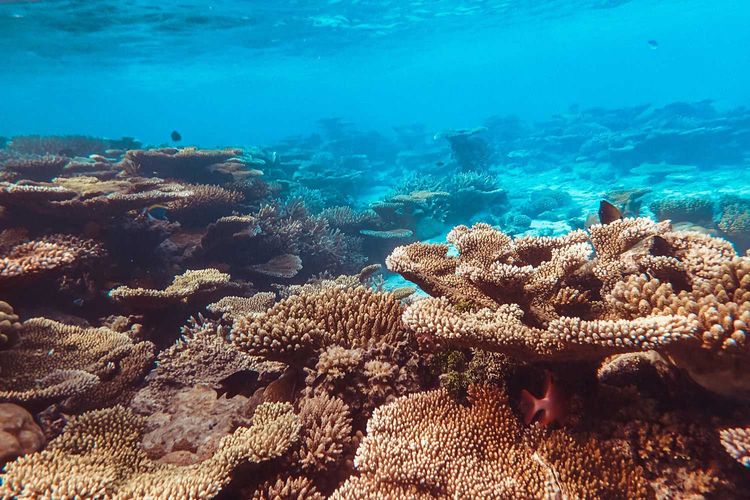
Just like on land, heatwaves are becoming more frequent and intense as the world warms, putting stress on ocean ecosystems. When high temperatures hit coral reefs, corals eject the symbiotic algae in their tissues, further weakening the animals and causing widespread bleaching events.
A new study conducted in the Phoenix Islands Protected Area (PIPA) in the central Pacific Ocean, appointed by UNESCO as World Heritage Site, finds that in the last decade some coral reef communities are becoming more heat tolerant, offering hope for corals in a changing climate.
Read more articles
Biodiversity
1 October 2026
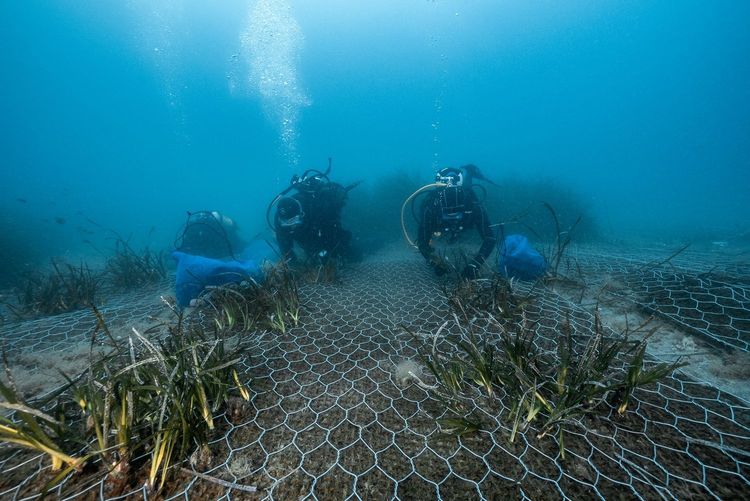
Posidonia oceanica: What It Is, Why It Matters and How It Can Be Protected
Biodiversity
21 September 2026
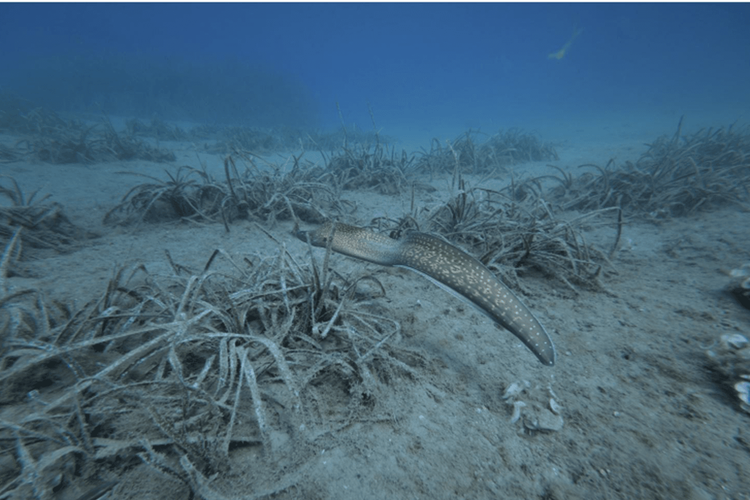
Blue Forest: 93% survival rate recorded for Posidonia oceanica cuttings in Paraggi
Marine Pollution
18 September 2026