Share this article

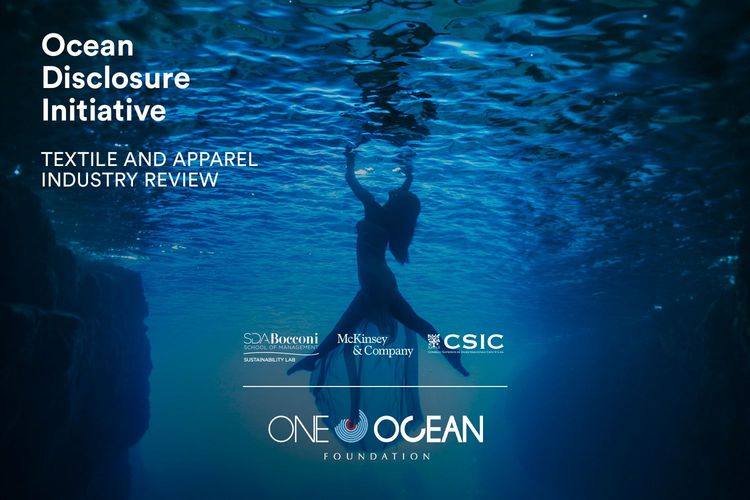
The fashion sector is considered one of the world’s biggest manufacturing industries, encompassing everything from textile and apparel brands to wholesalers, importers, and retailers. Unfortunately, current lifestyle and consumption trends have increased clothing production, significantly impacting marine and coastal ecosystems.
DOWNLOAD THE REVIEW
Here are some interesting facts for you to know:
- The use of harmful chemicals in the fashion supply chain, from extracting raw materials to dyeing and printing garments, negatively affects the marine environment, including eutrophication and water pollution.
- The industry contributes approximately 5 to 6% of annual greenhouse gas emissions, primarily by producing synthetic fibres that rely on fossil fuels.
- Large amounts of microplastics are polluting the ocean yearly due to the washing of synthetic fibres that contain chemicals that pollute the ocean and affect marine organisms and their entire food chain.
However, it's not all negative news. The industry has the potential to make substantial efforts to minimise its impact on the environment, including:
- Introducing on-site treatment plants to process wastewater or using natural dyes that can reduce water pollution from the processing phase.
- Switching from fossil-fuel-based textiles to organic or recycled materials to reduce Co2 emissions.