Blue Forest
We have to take action now, to ensure a thriving ecosystem tomorrow.
An impact project for the restoration and protection of marine forests.
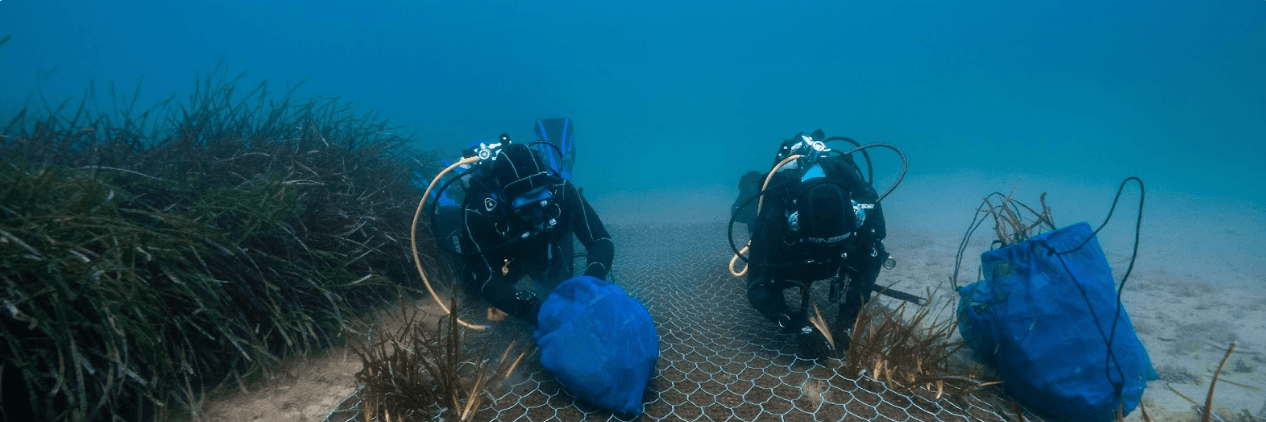
The lungs of the Mediterranean Sea
Posidonia oceanica
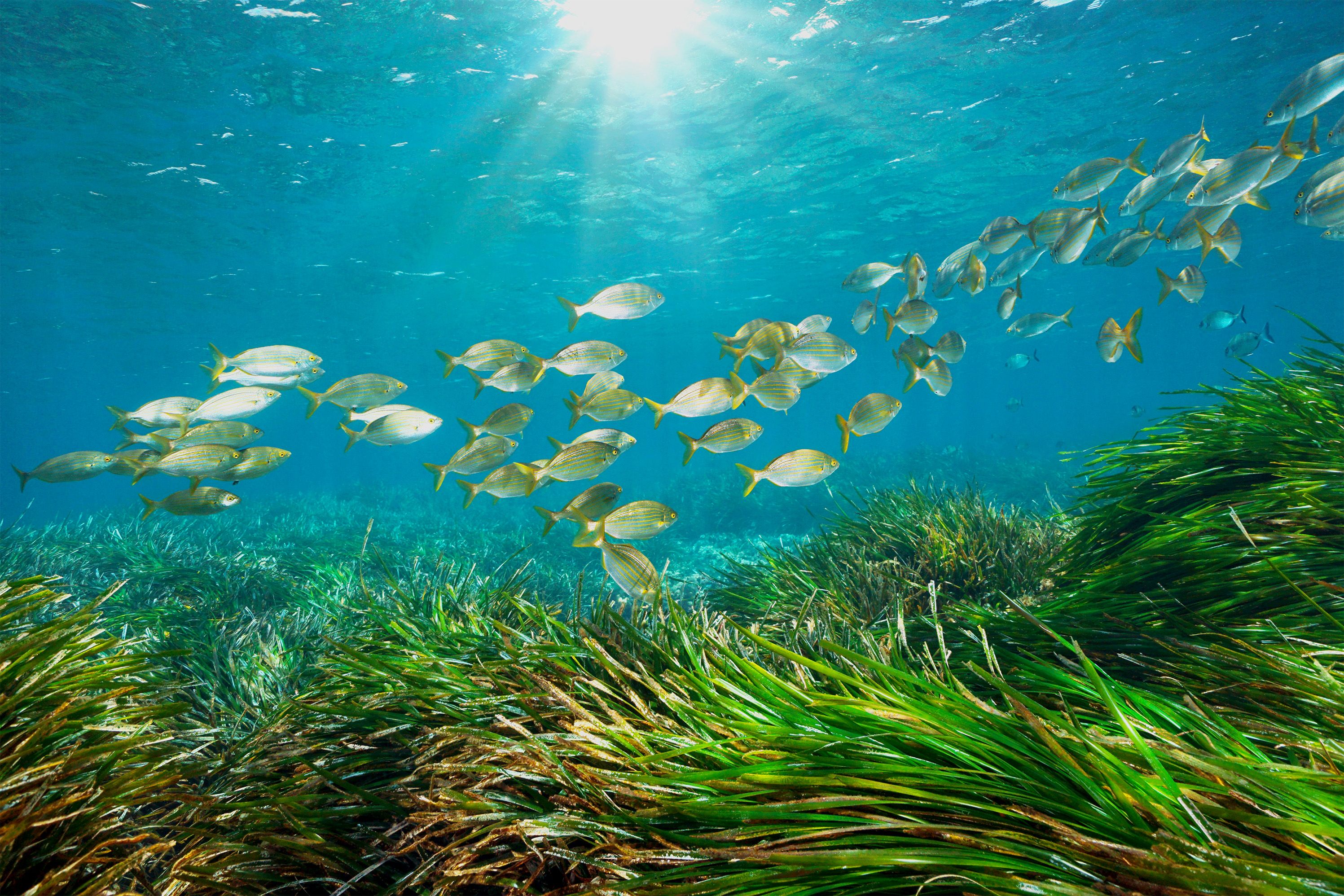
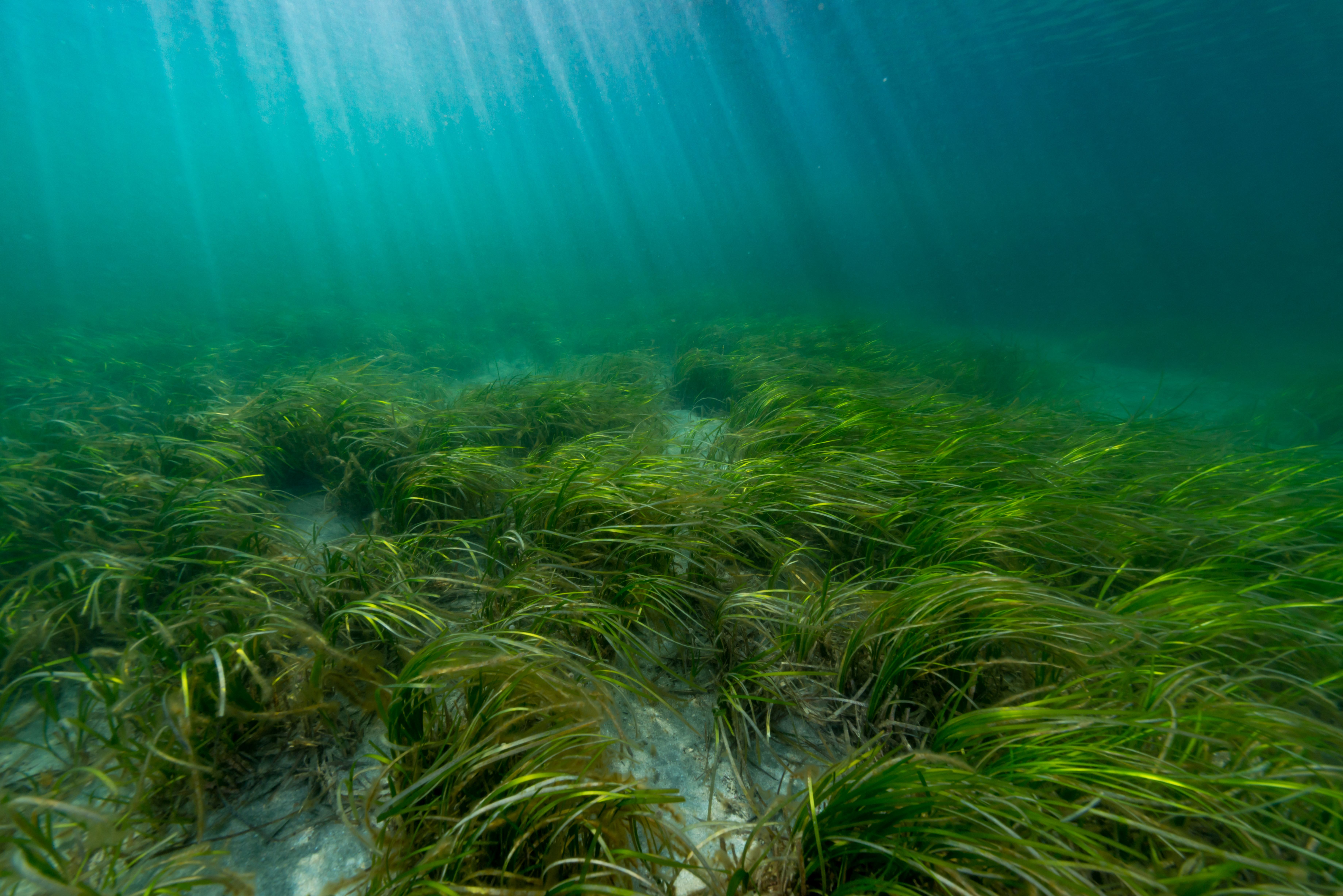
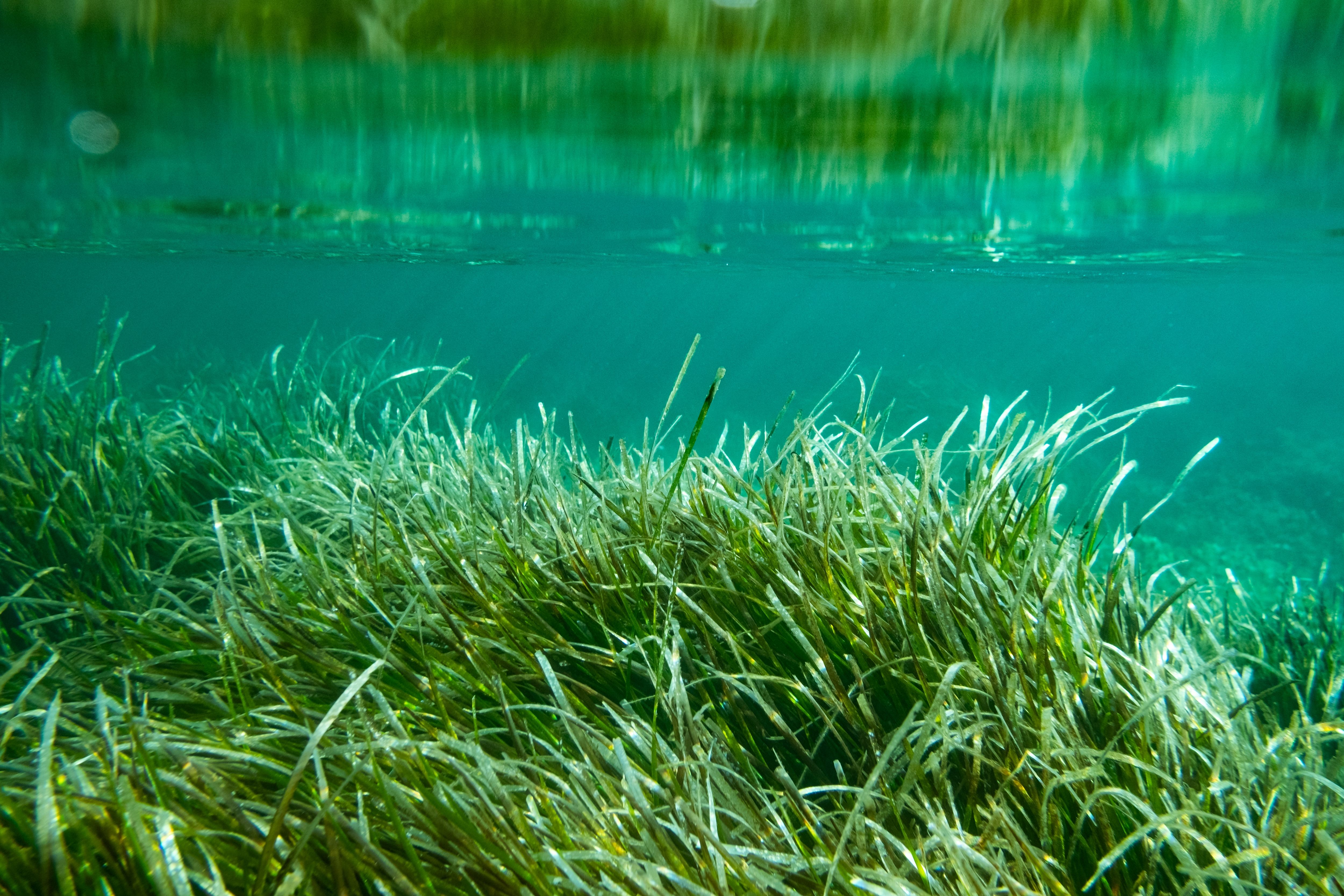
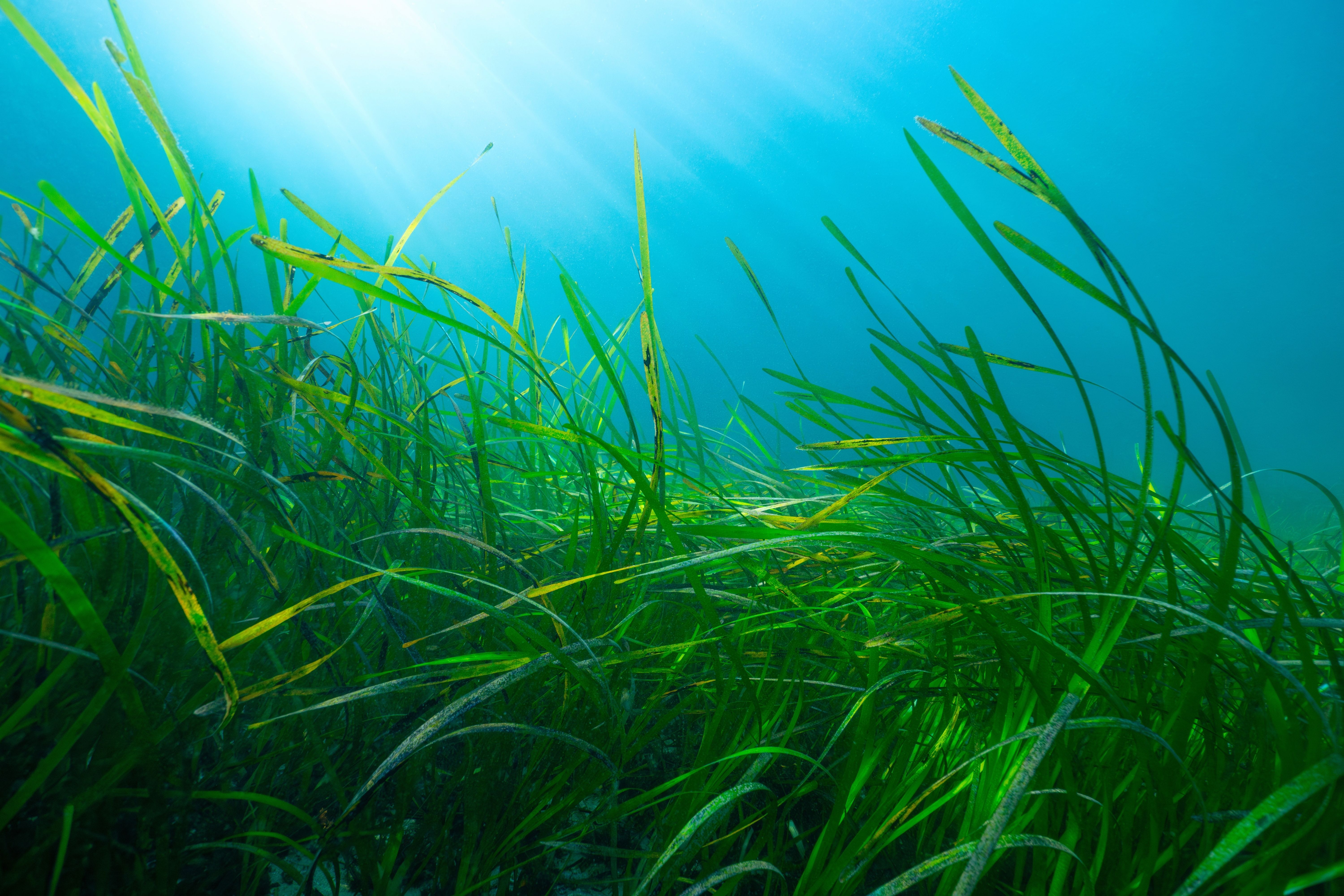
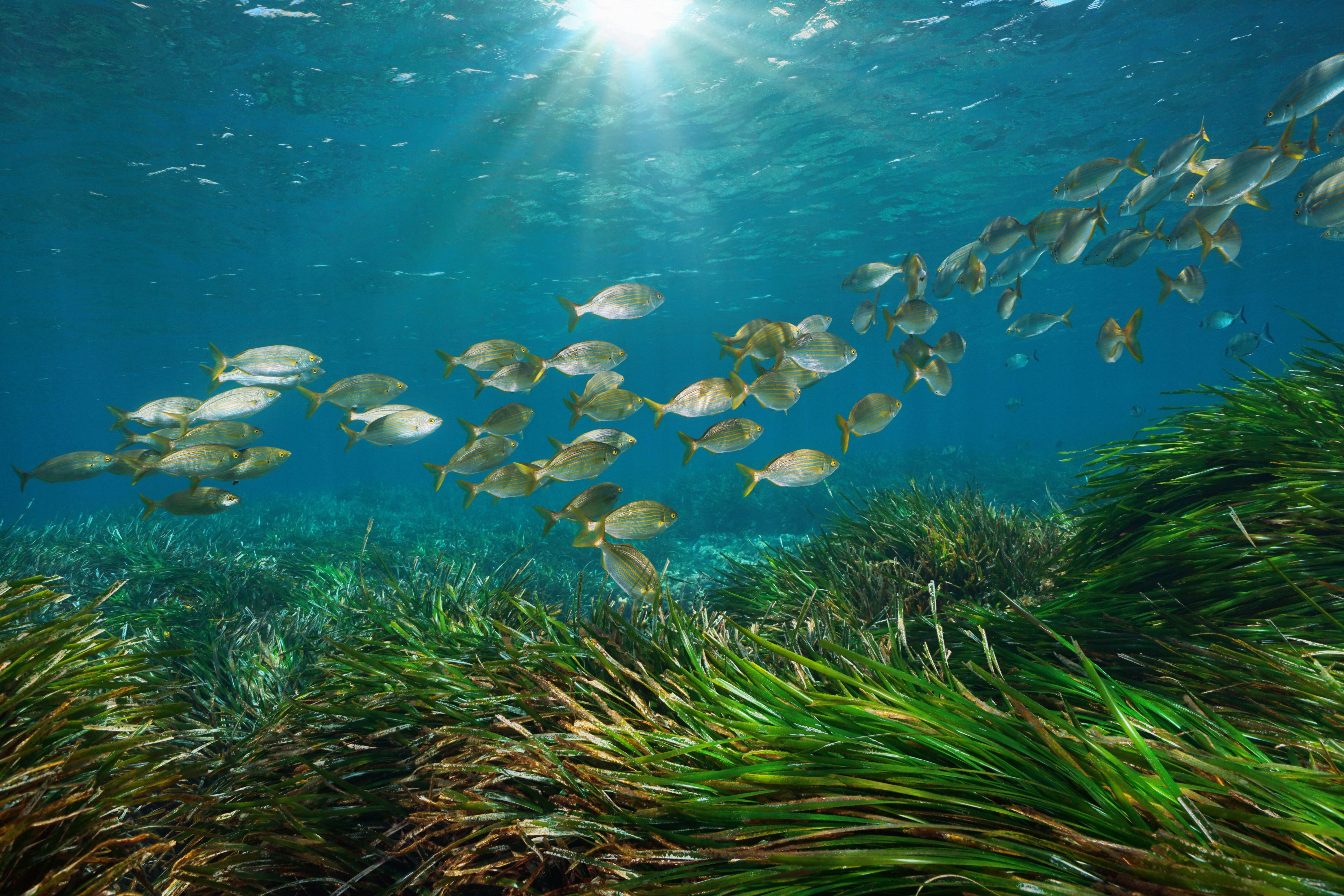
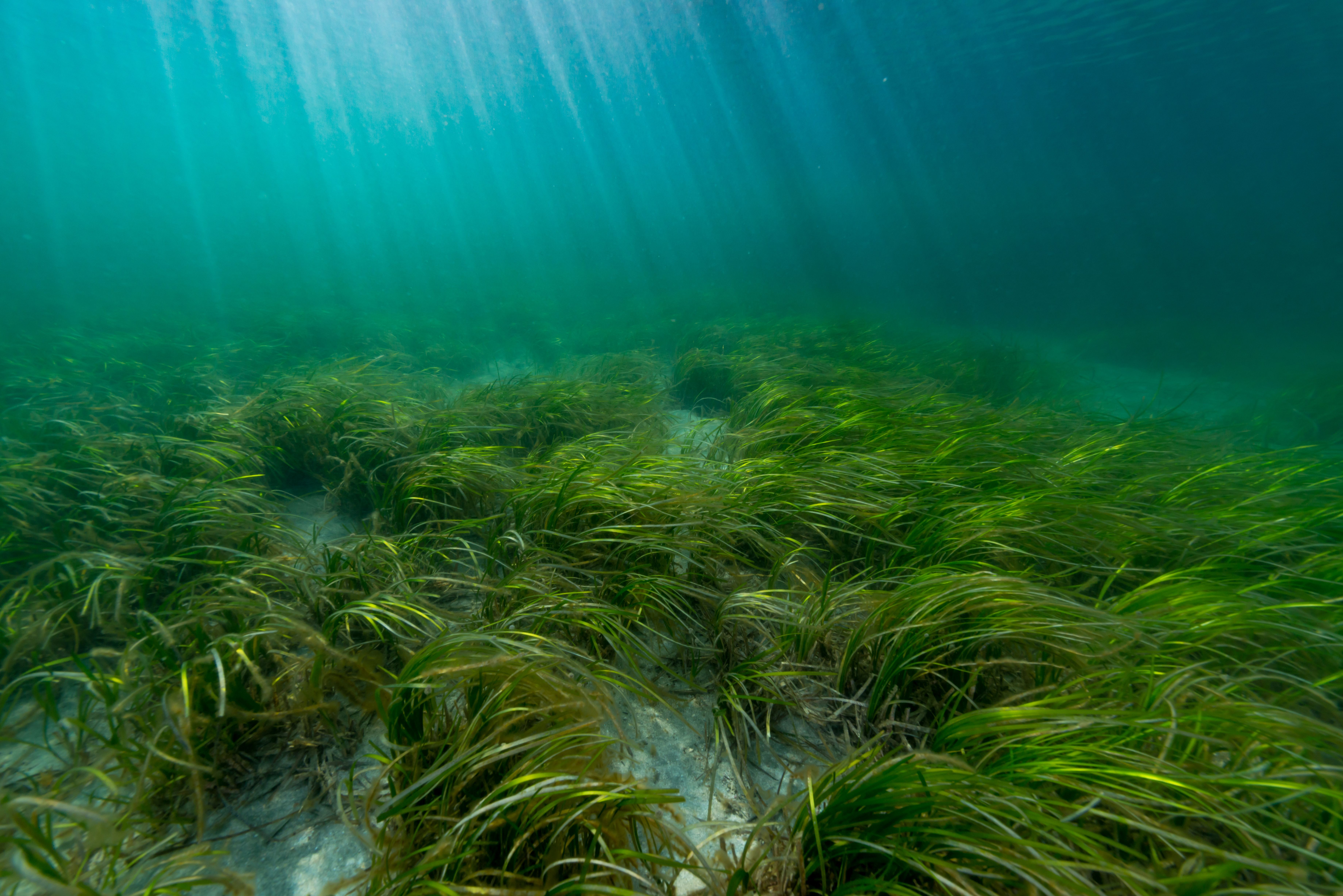
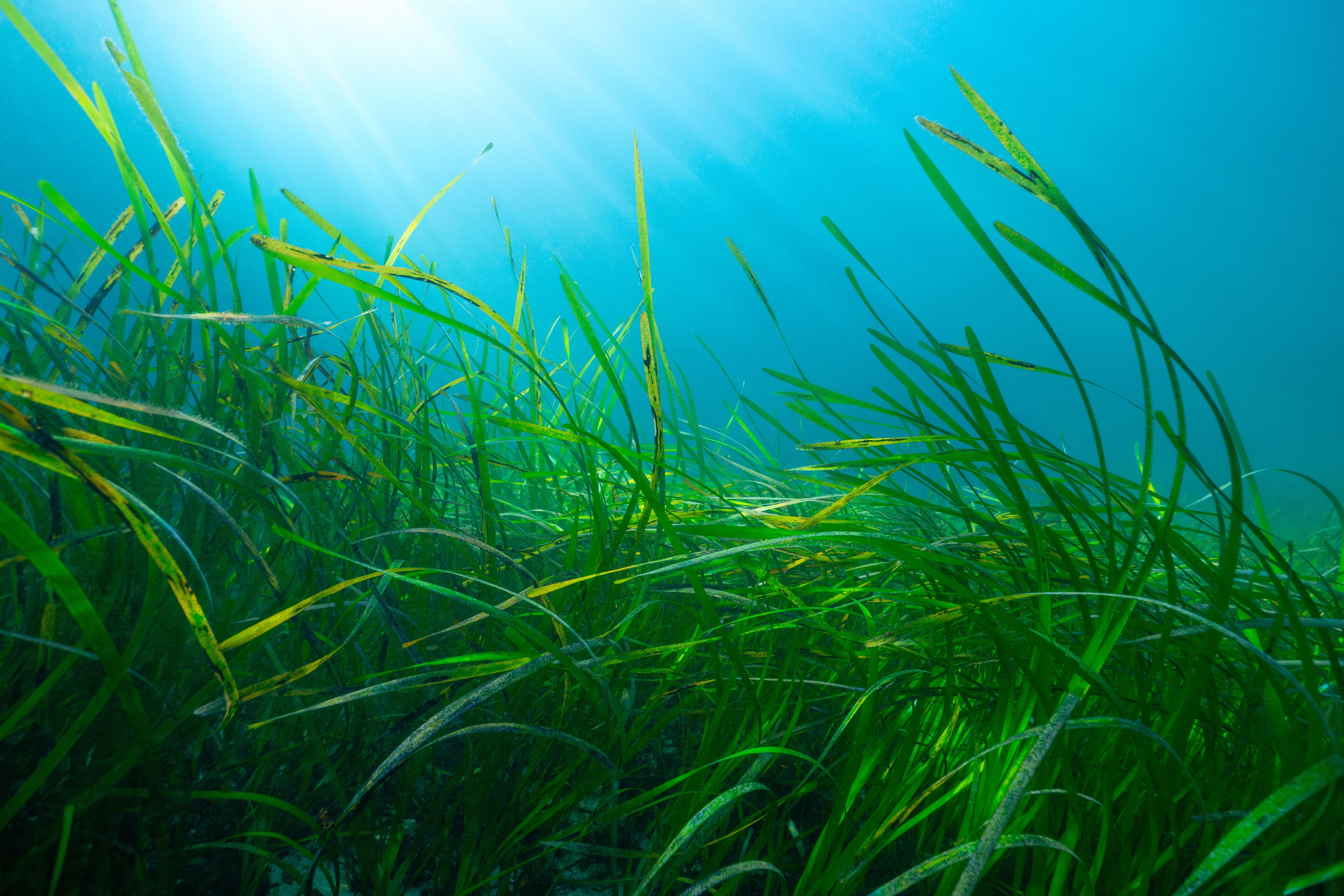
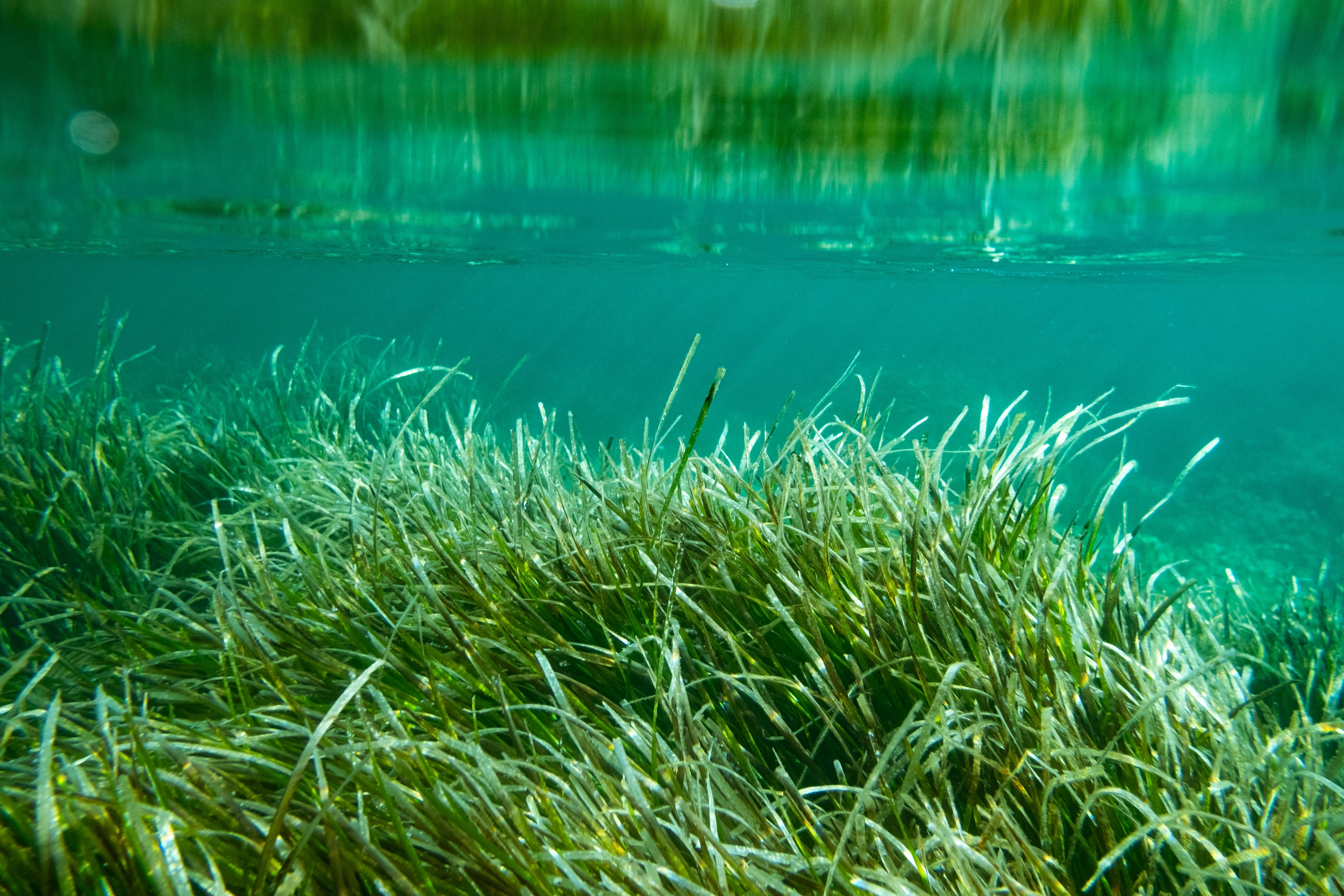
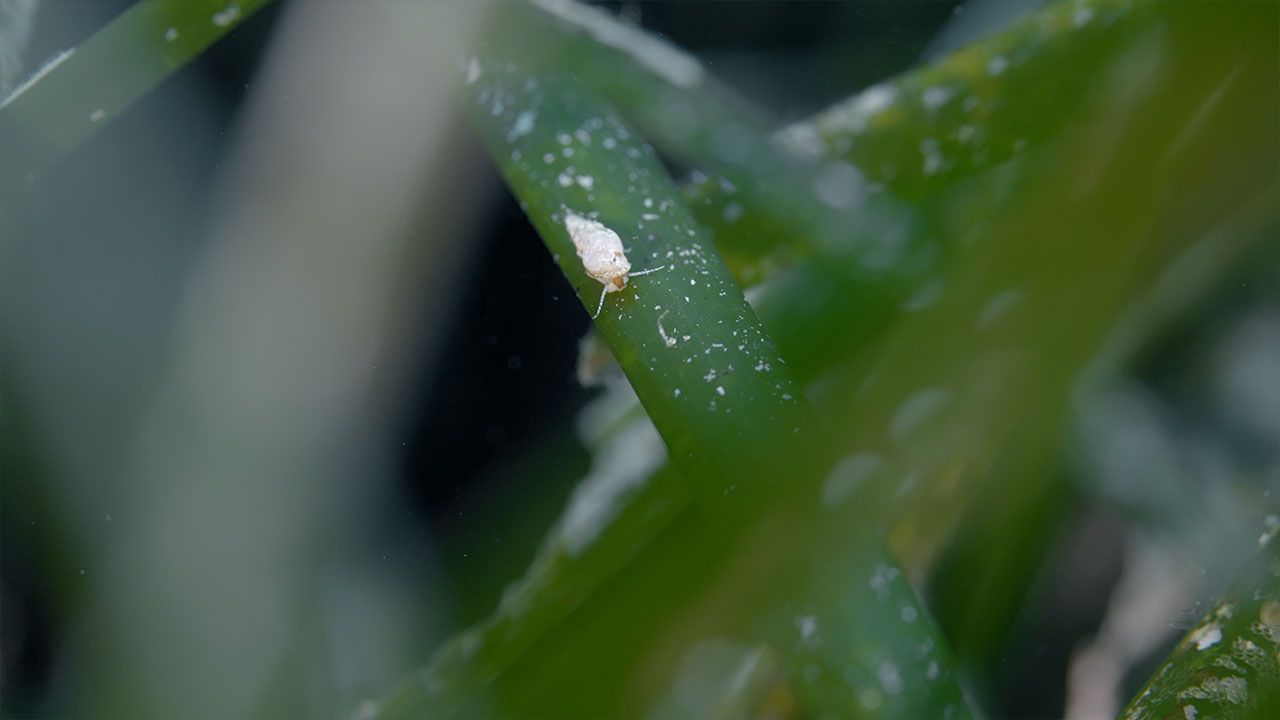
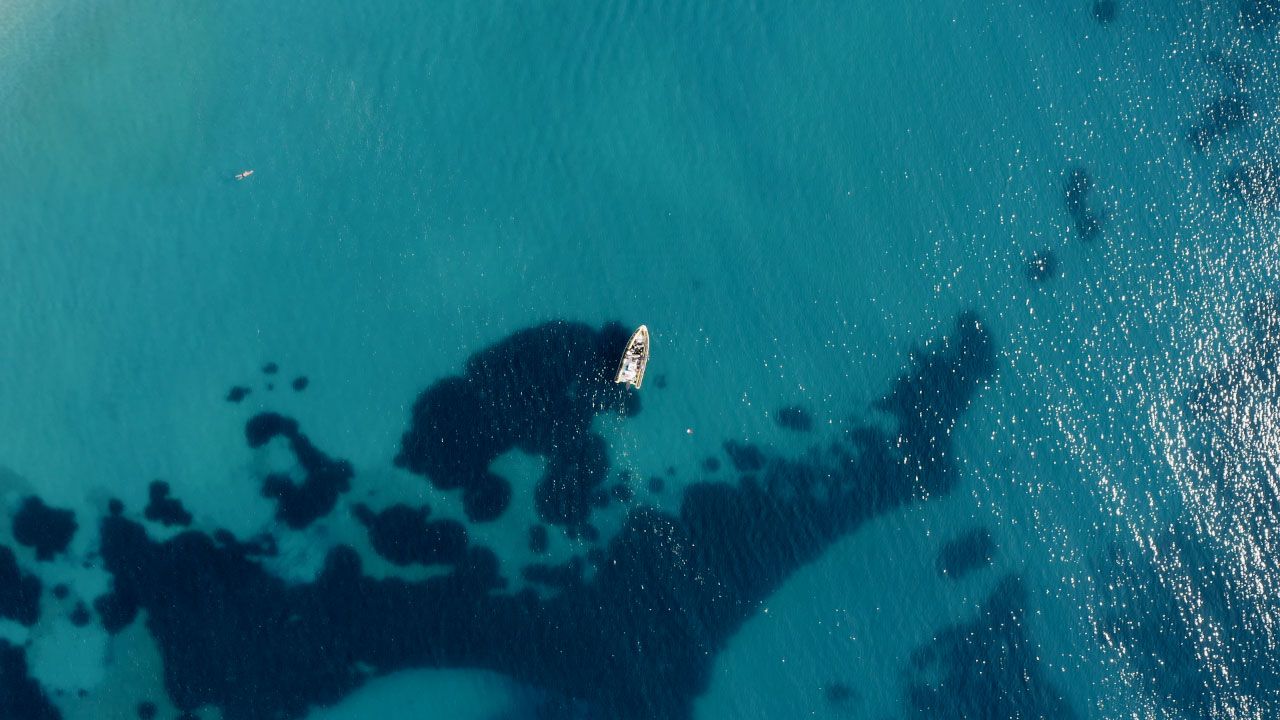
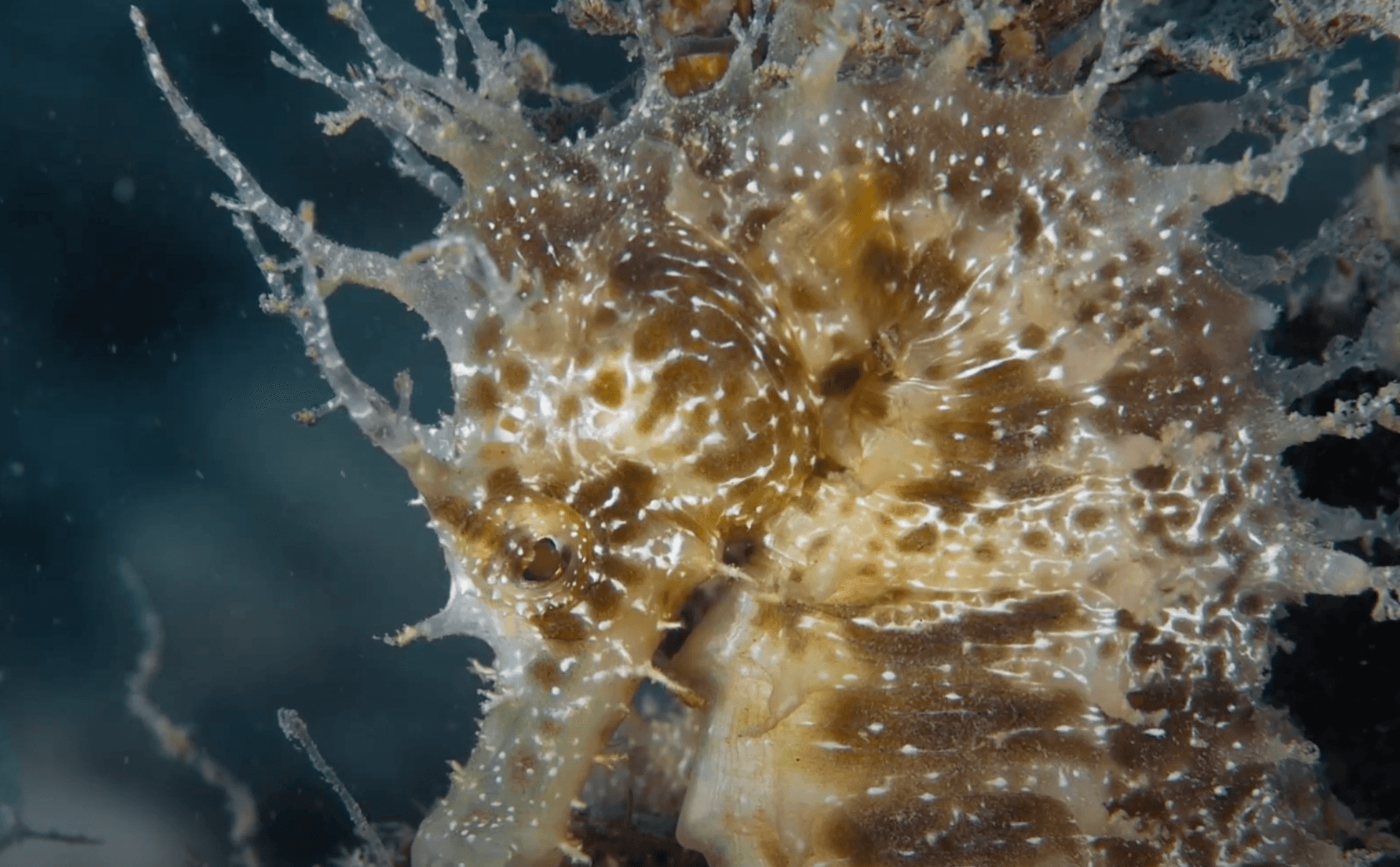
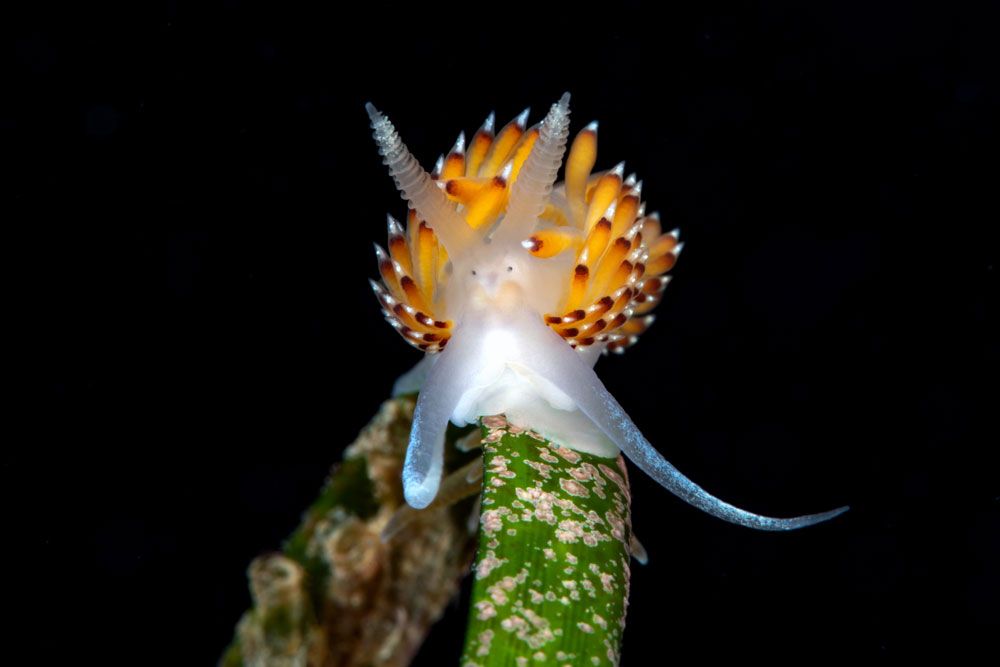
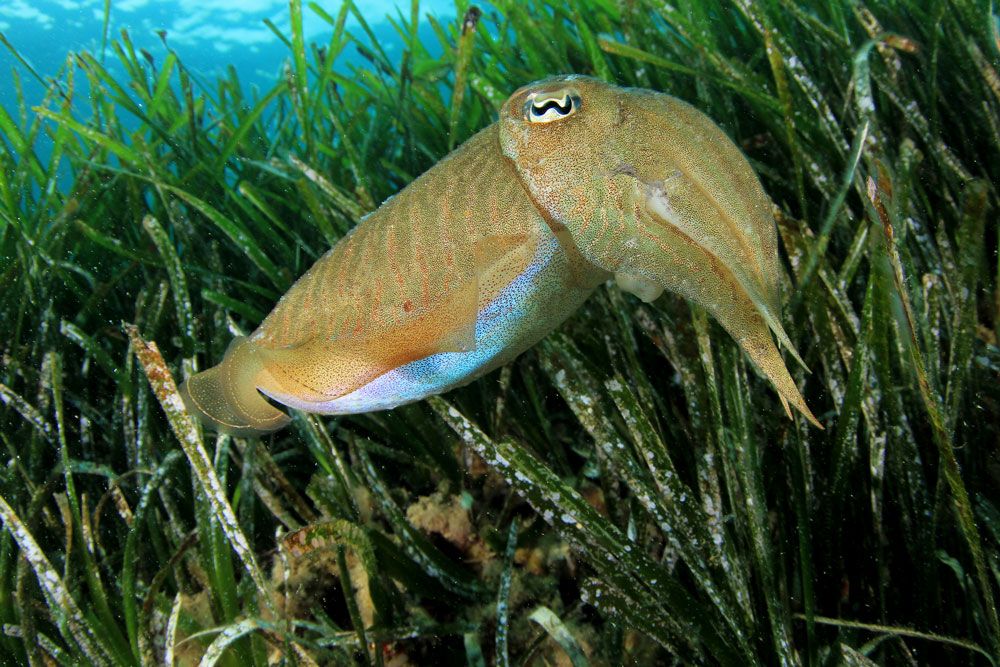
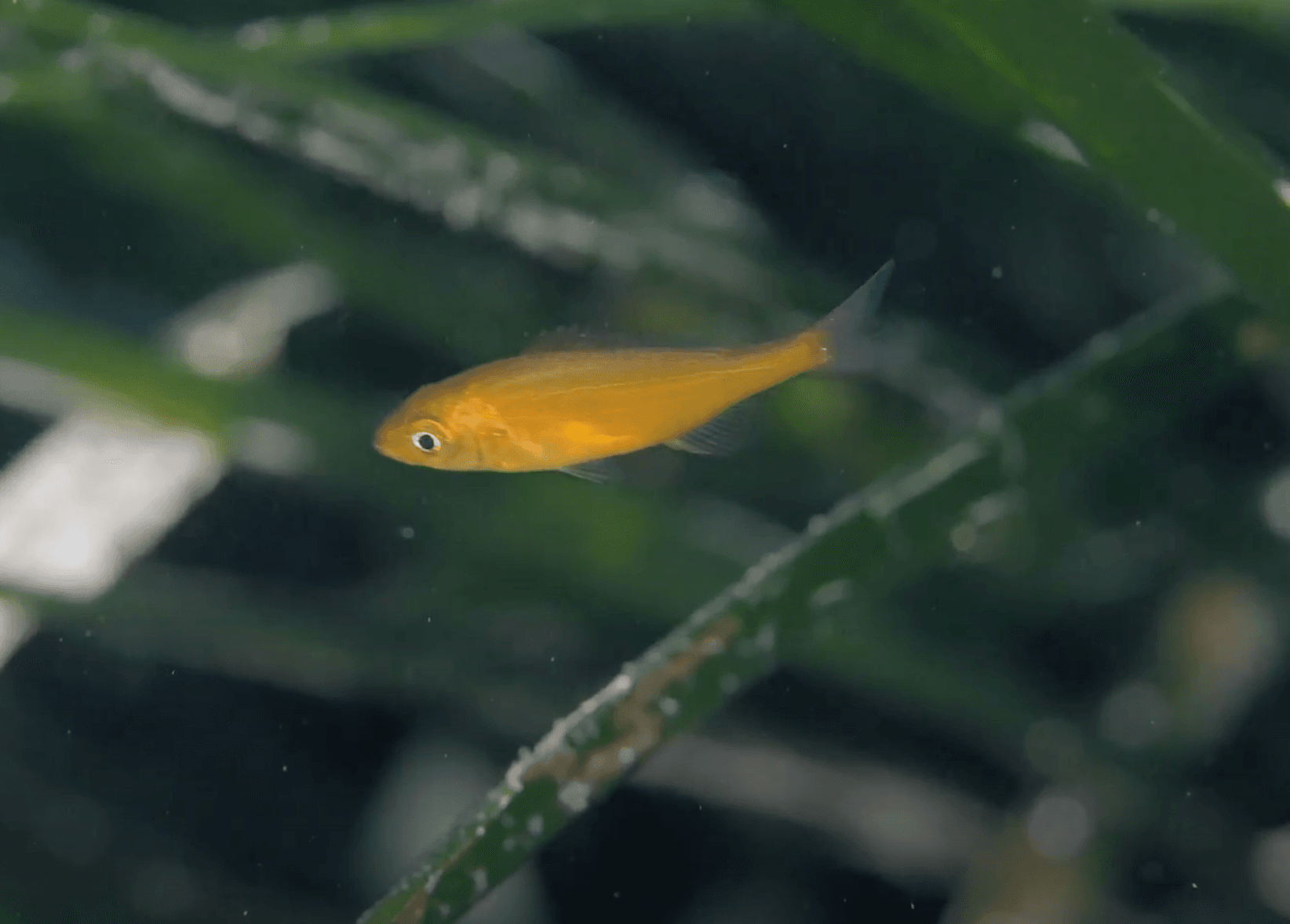
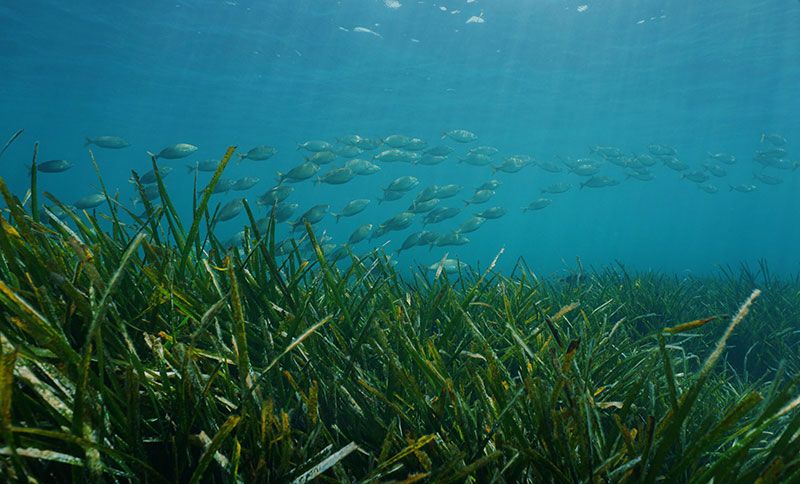
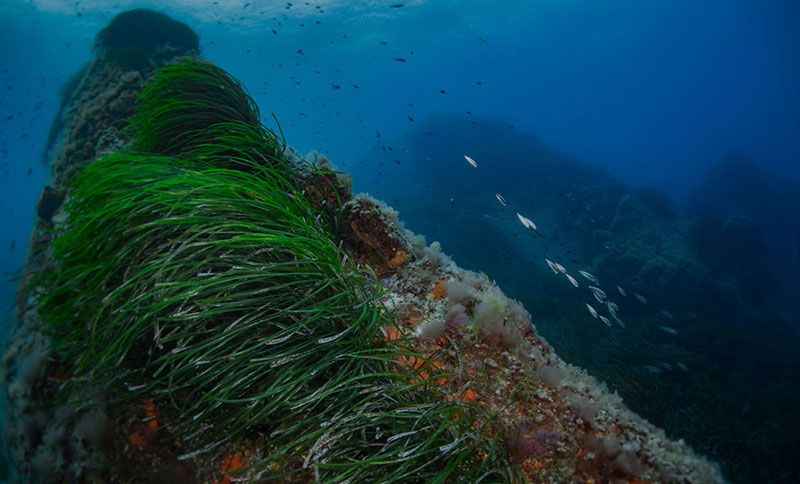
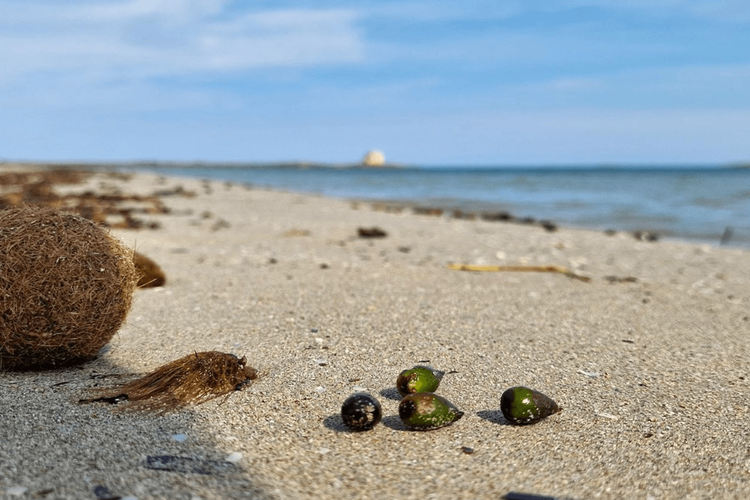
Posidonia oceanica is a marine plant found exclusively in the Mediterranean Sea, with extraordinary ecological value. It forms extensive meadows that protect coasts from erosion, stabilize the seabed, create biodiversity hotspots, provide shelter and food for over 350 marine species, and produce oxygen through photosynthesis.
Around 80% of coastal oxygen production comes from this plant, which is why it is also called the "lung" of the Mediterranean.
These underwater meadows are highly productive and play a critical role also in carbon sequestration, helping to mitigate climate change. Scientists indicate that one hectare of seagrass meadow can store as much carbon as ten hectares of tropical forest.
The Reason Why
Over 30%
of Posidonia oceanica meadows in the Mediterranean Sea have already disappeared.
Despite being a protected species, it remains severely threatened by coastal human activities – such as anchoring and bottom trawling – which cause irreversible damage and undermine the balance of the entire habitat.
The Project
Restoring and protecting marine forests
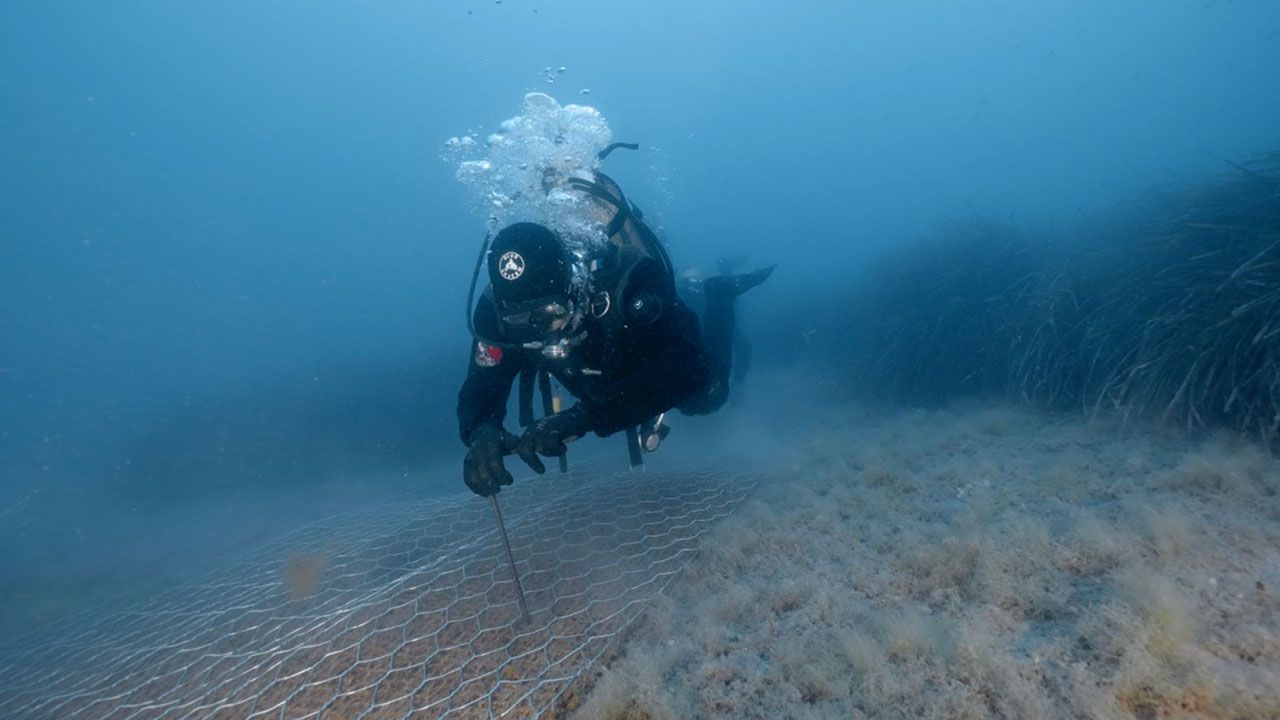
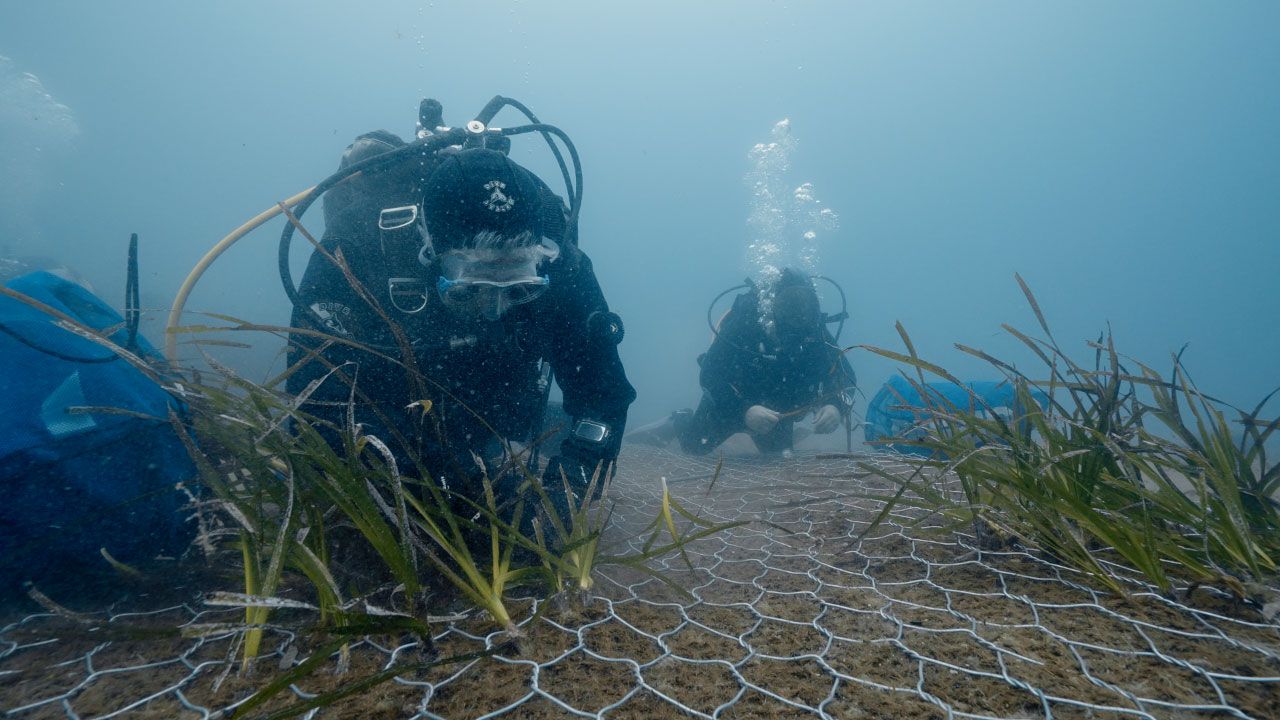
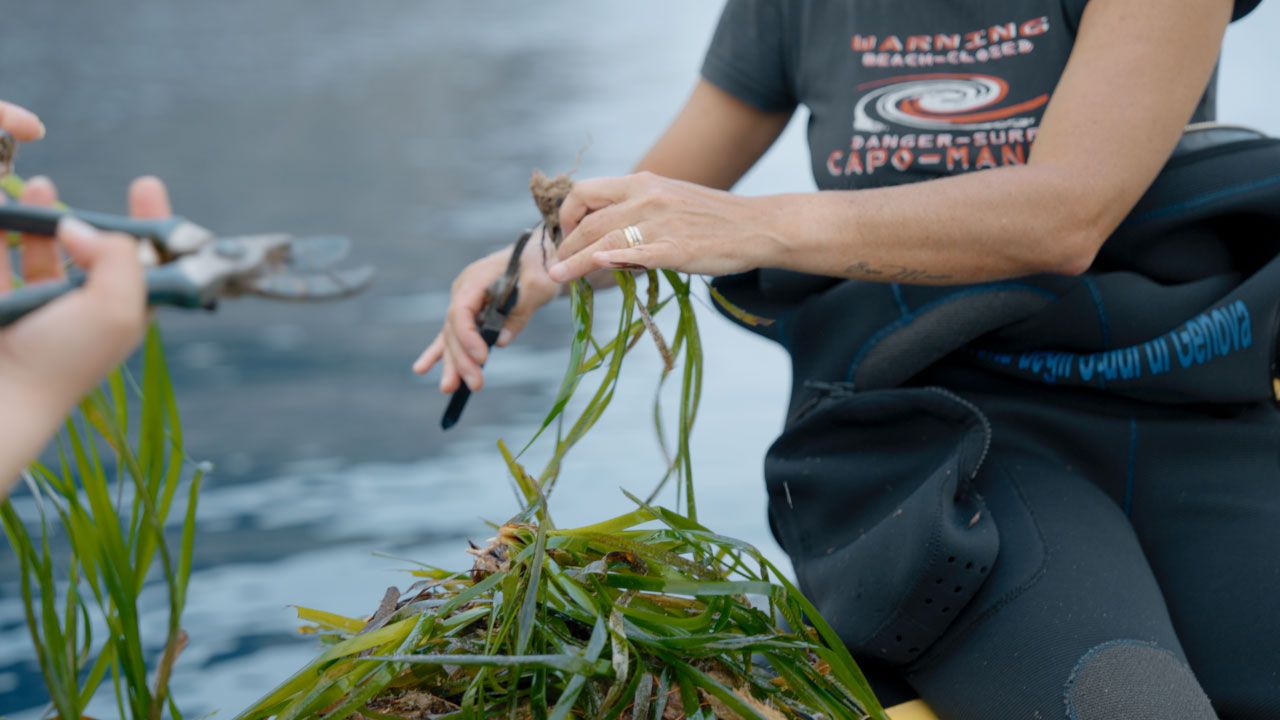
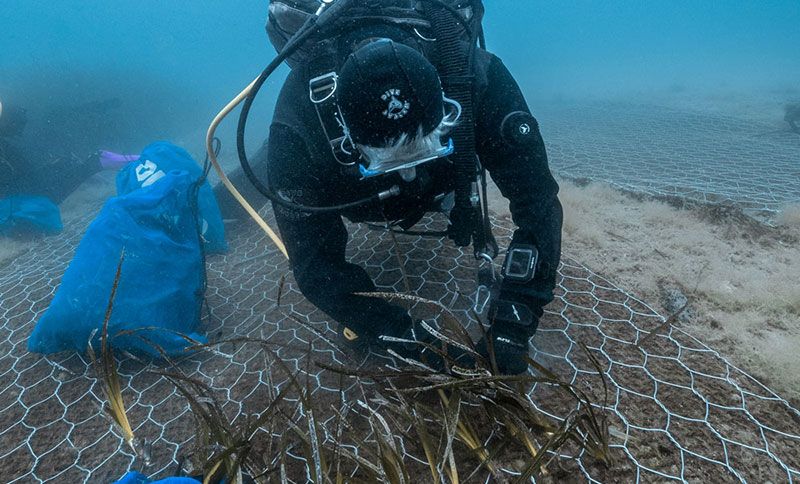
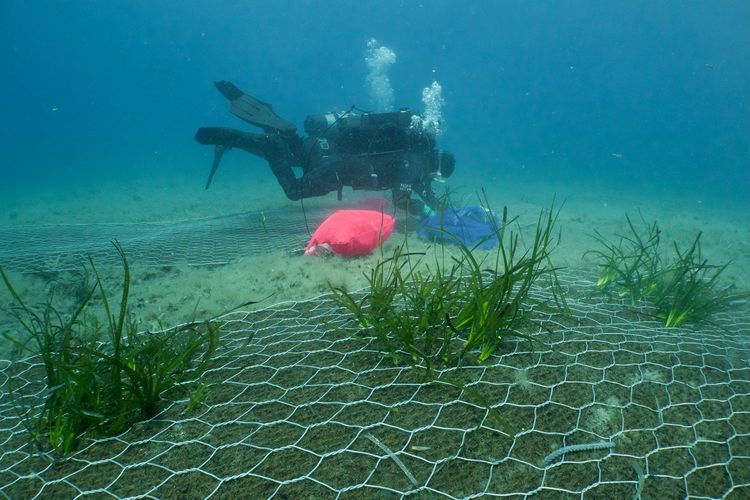
Started in 2023, Blue Forest is a project by One Ocean Foundation dedicated to the restoration and protection of marine forests, particularly focusing on Posidonia oceanica.
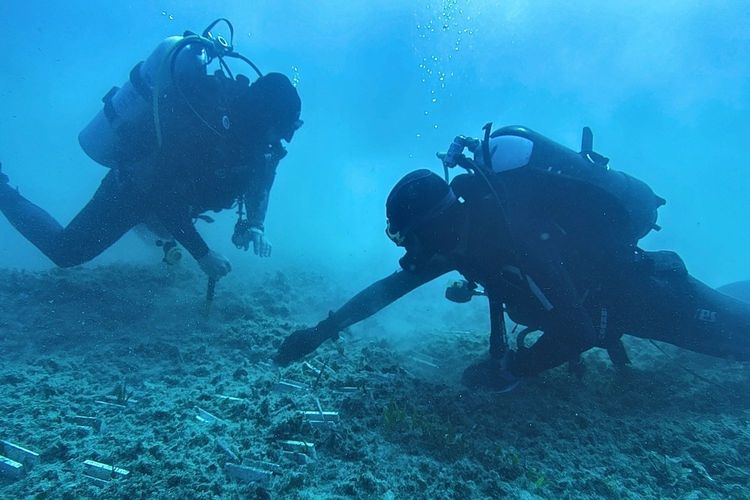
The project combines reforestation activities, scientific research, innovative technologies, and environmental education, fostering collaborations with universities and institutions. By promoting awareness initiatives through documentaries, multimedia content, and educational programs it aims at engaging citizens and younger generations with the value of these fragile and vital ecosystems, and directly contributes to global objectives for fostering a healthier and more resilient ecosystem.
The Blue Forest project represents a concrete action within the United Nations 30x30 initiative, a framework designed to protect at least 30% of terrestrial and marine areas by 2030, while the UN Decade on Ecosystem Restoration (2021-2030) seeks to prevent, halt, and reverse ecosystem degradation worldwide.

RESTORE
Promoting the restoration of biodiversity and blue natural capital in line with the UN 30x30 target

EDUCATION & AWARENESS
Raising awareness about the importance of marine forests and prioritizing ocean literacy

PROTECT
Implementing conservation policies to ensure the protection of marine forests and their vital ecosystems

RESEARCH & INNOVATION
Supporting PhDs and collaborations with research centers and identifying new technologies to enhance blue natural capital
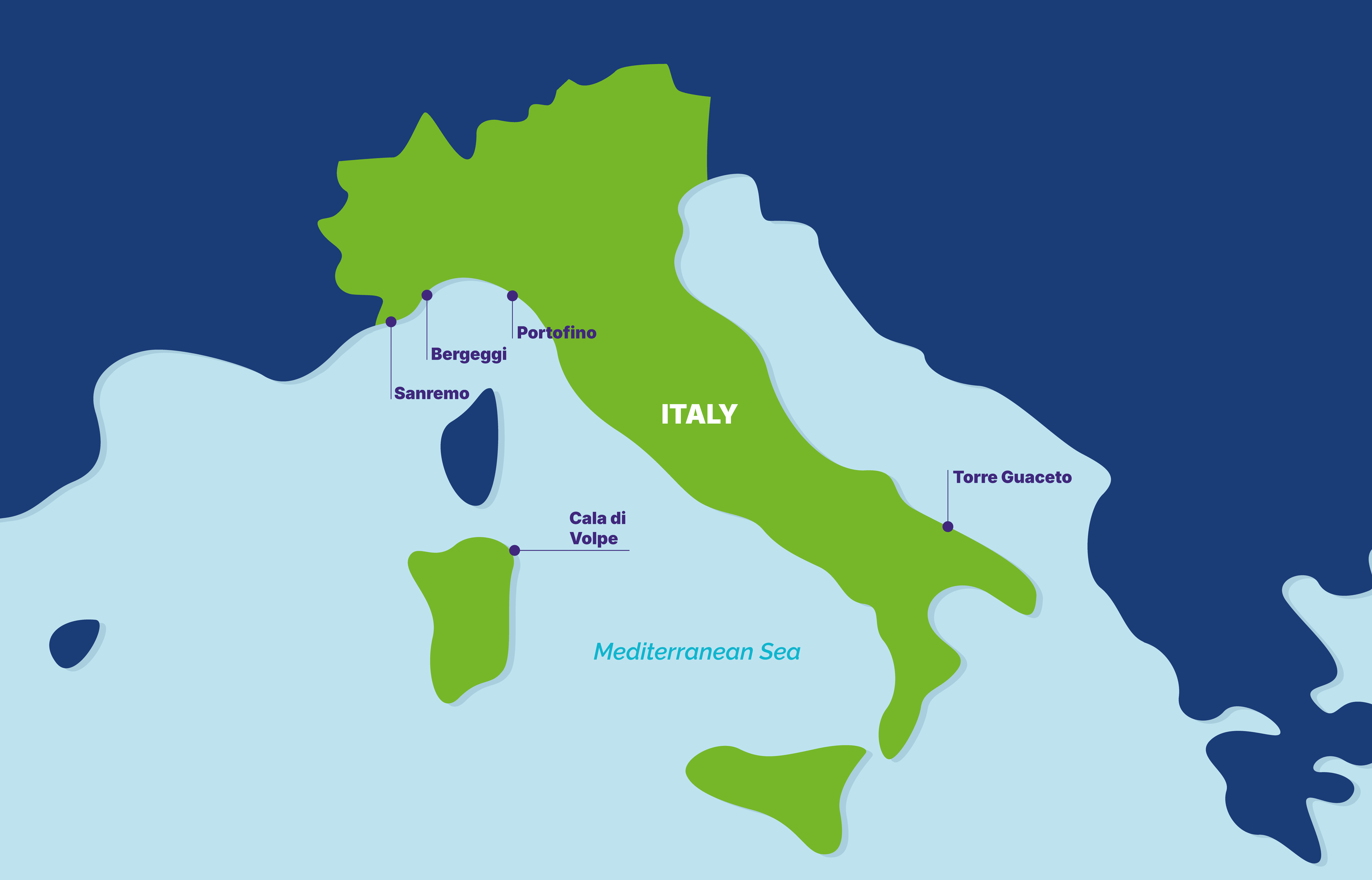
Our Blue Forests
On-field activities
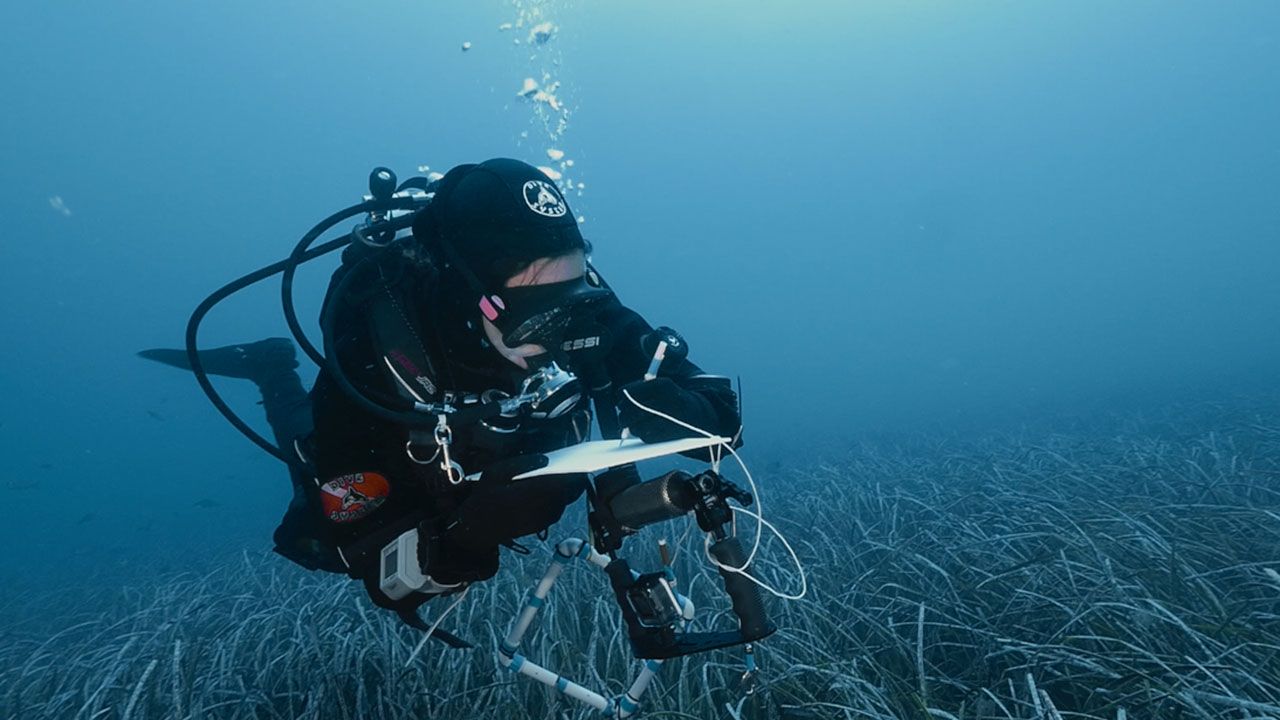
Results
5
active restorations
1135 m²
of seagrass meadow restored
21.2K
plants transplanted
1122
seeds transplanted
2
scientific papers published
1
documentary produced
9
education & awareness activities
2
PhD scholarships funded
The documentary
The documentary "Posidonia oceanica – Restoring Mediterranean Seagrass" provides a comprehensive exploration of the entire restoration process and highlights the significance of this species, investigating the ecological aspects, examining the impacts this plant faces, and offering potential solutions for its preservation and protection.
Produced by One Ocean Foundation and directed by Fabio Benelli, marine biologist and underwater filmmaker, the documentary is available to watch on our Youtube channel.
Impact
Italy hosts one of the largest areas of Posidonia oceanica meadows along its coasts, increasingly threatened by trawling, anchoring, pollution, coastal development, and the effects of climate change. Because this species grows extremely slowly - only 1–2 cm per year - the damage is particularly severe and difficult to reverse.
The loss of these meadows has direct consequences for marine biodiversity, seabed stability, and coastal protection against erosion, while also drastically reducing their capacity to sequester carbon and mitigate the impacts of climate change.
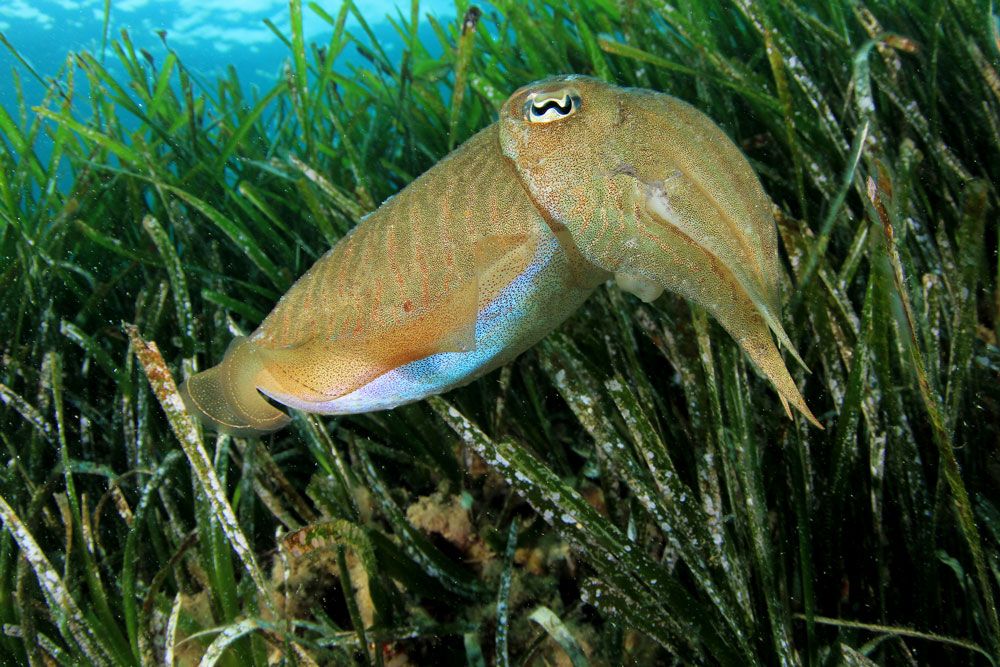
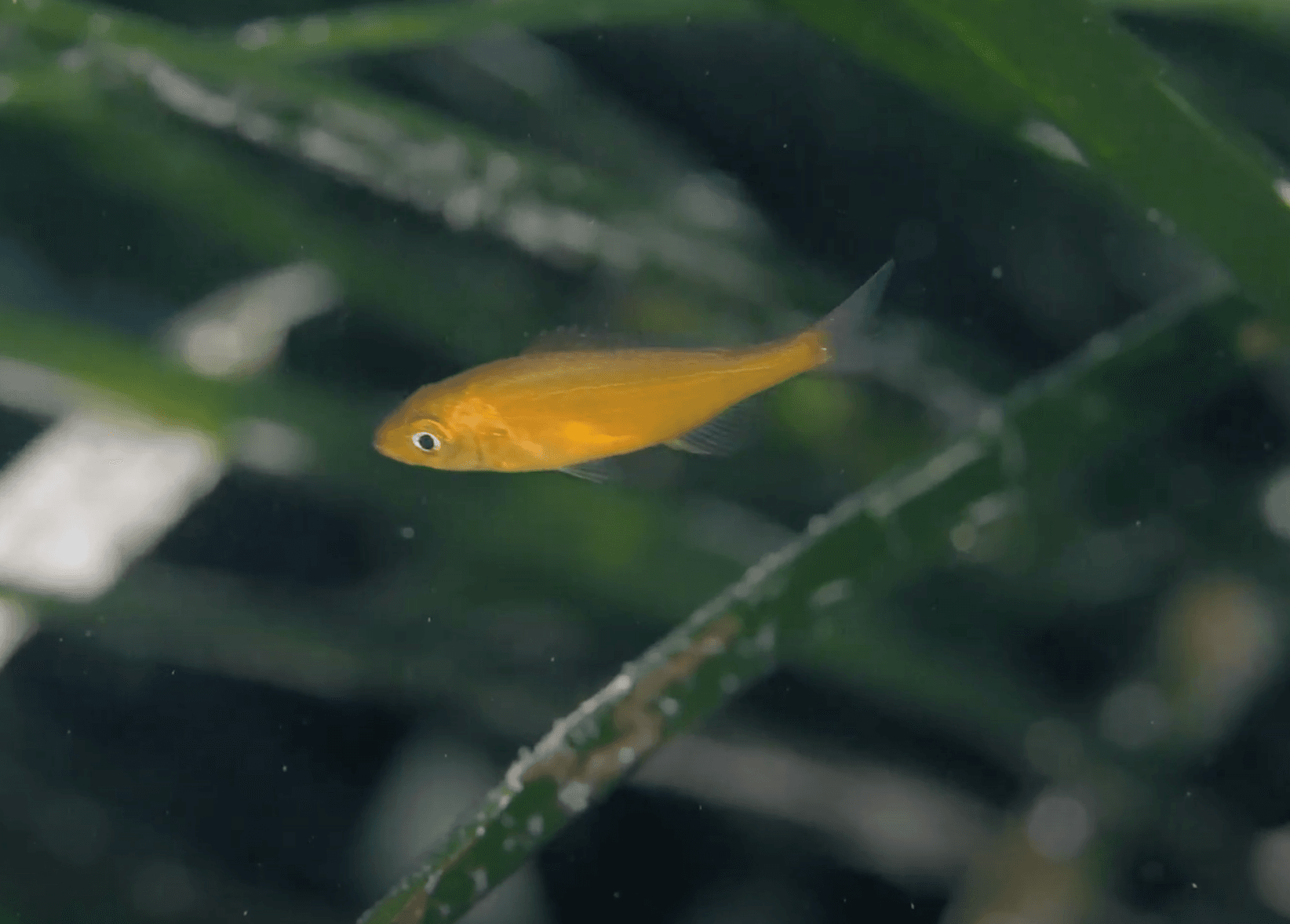
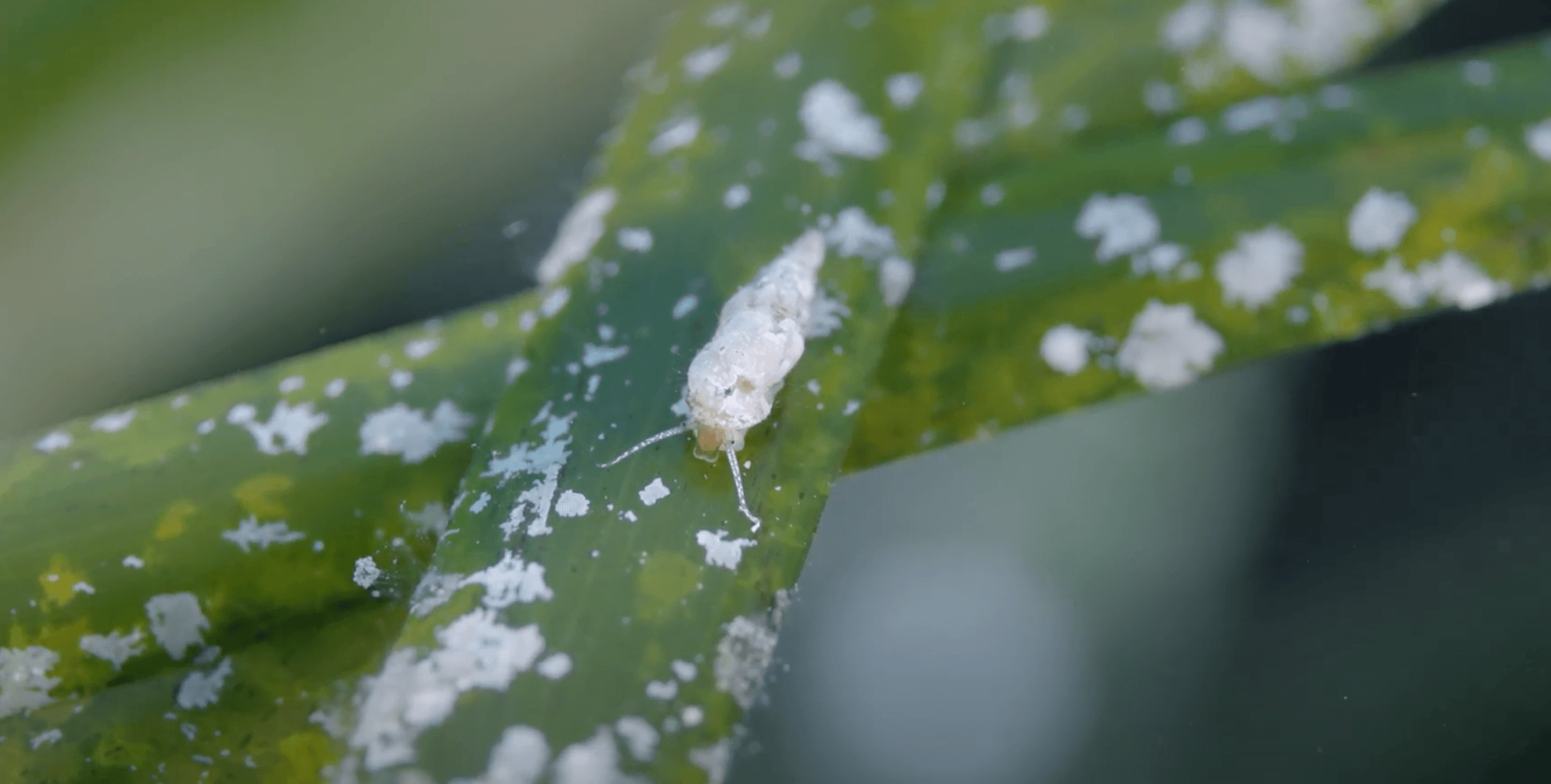
Discover more by watching our videos
Related news
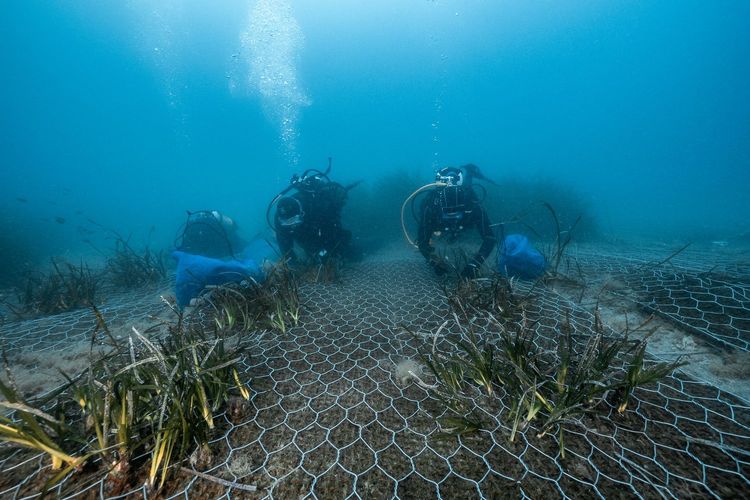
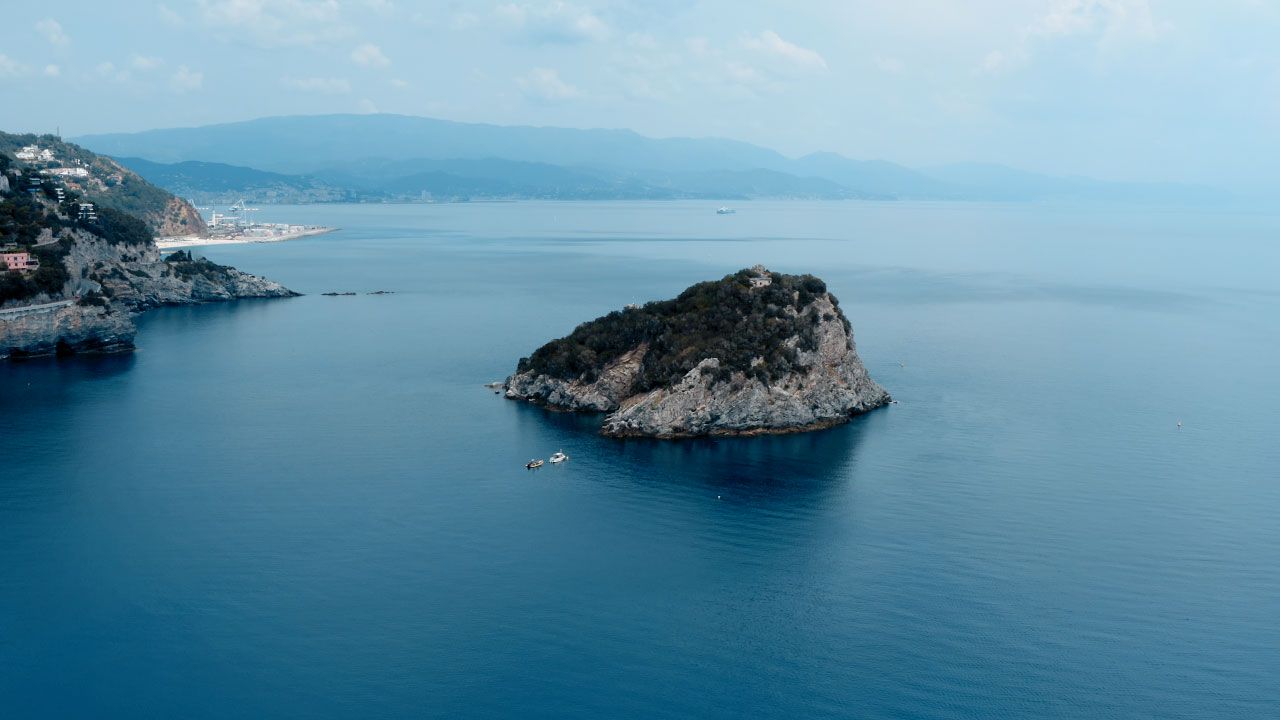
Marine ecosystem restoration activity in Bergeggi
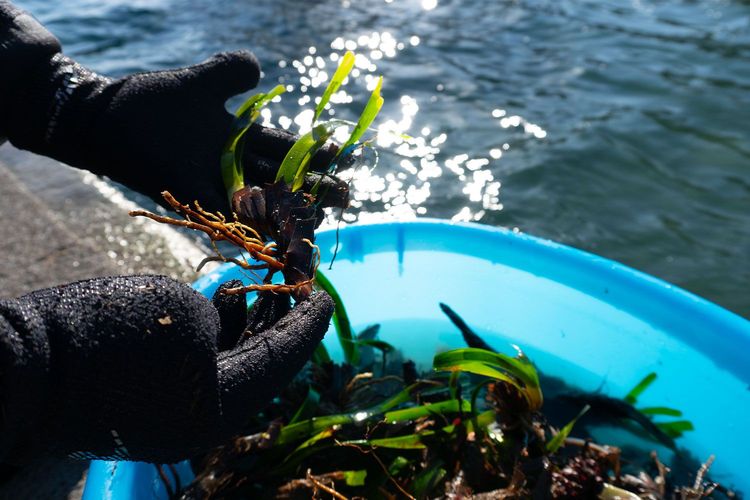
Marine ecosystem restoration activity in Portofino
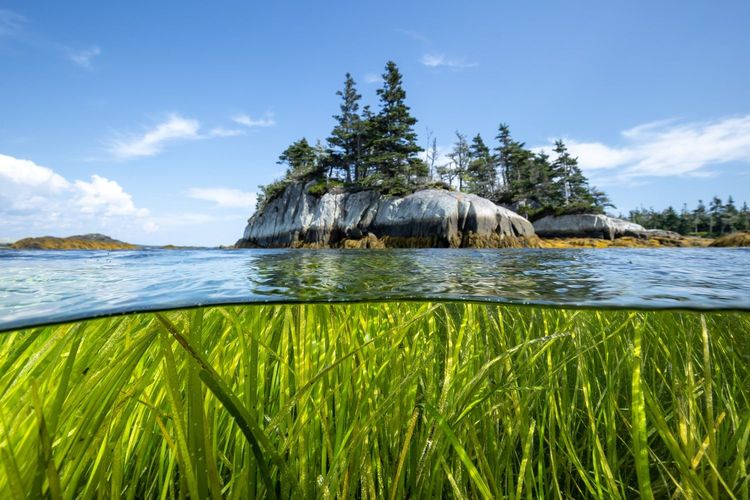
Accelerating climate action with Race to Restore
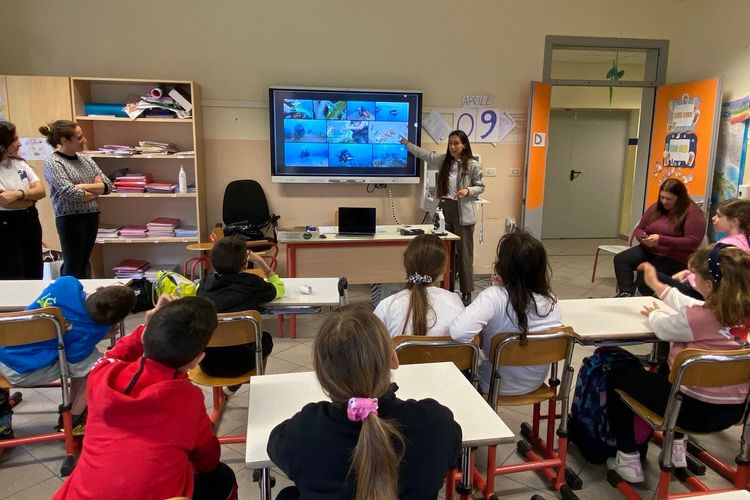
First Environmental Education Activity on the Posidonia oceanica Reforestation Project in the Marine Protected Area "Isola di Bergeggi"
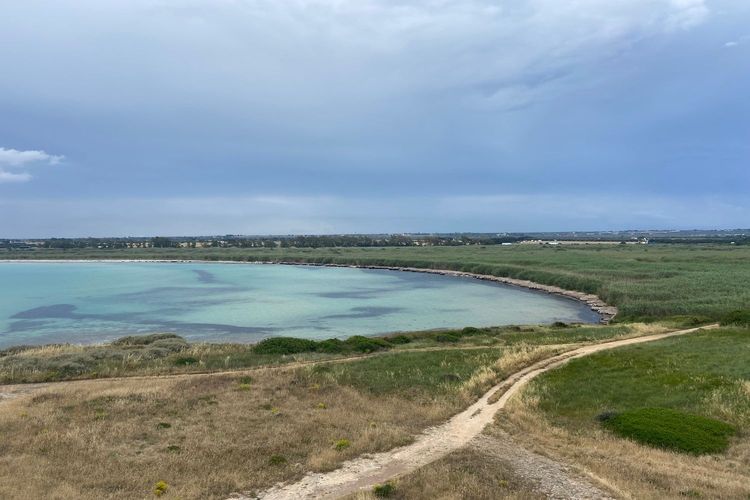
The Blue Forest project lands in Puglia!
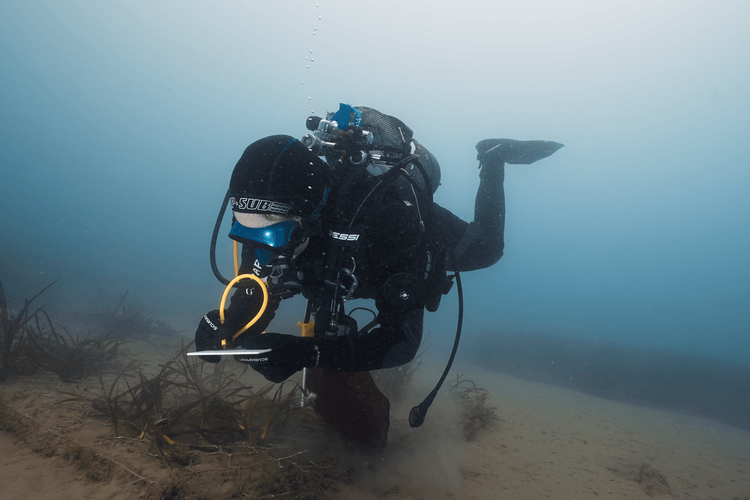
A new life for over 2,000 Posidonia oceanica plants!

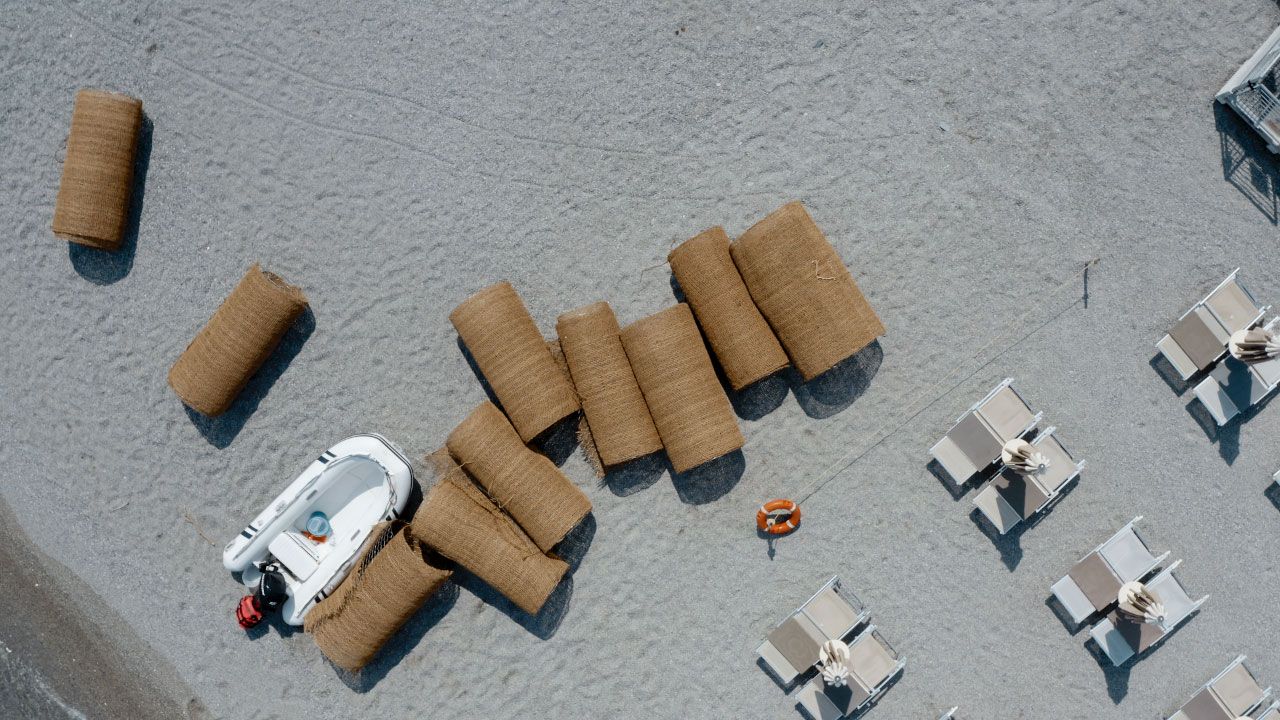
Stakes and biomats to restore Posidonia oceanica in Sanremo!
One Ocean Foundation launches the largest marine reforestation project in the Mediterranean Sea in Sardinia
Blue Forest: the collection of Posidonia oceanica seeds begins in Torre Guaceto
Reforestation through seeds: Blue Forest in Torre Guaceto
Resources
Our Partners