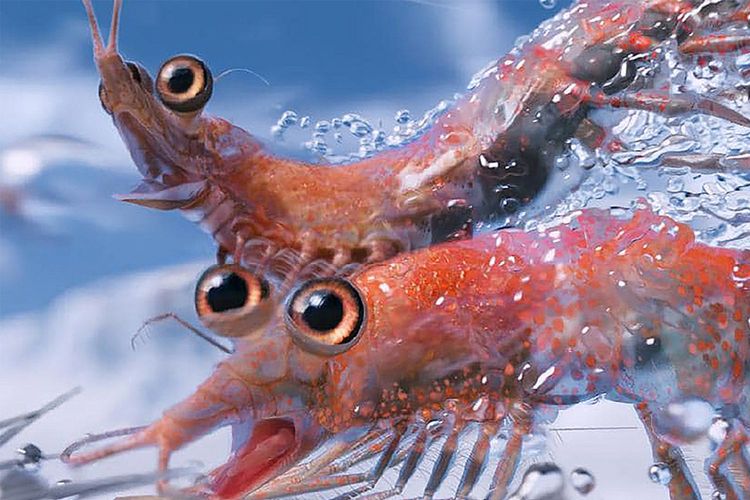
The term krill (of Norwegian origin) refers to several species of sea creatures. These small crustaceans live in all the oceans of the world, and are particularly concentrated in cold and polar waters. They are important because they make up zooplankton, the primary food source for countless species of fish, especially small oily fish, whales, manta rays, whale sharks, seals and marine birds.
Krill is abundantly fished by humans to be used in supplements – since it is rich in Omega3 – as feed for aquaculture and breeding in aquariums, and as bait for fishing. In Japan and eastern Russia it is consumed as food.
This video, presented by marine biologist Rob King, an expert on krill from the Australian Antarctic Division, shows a study on the effect of C02 andrisingwatertemperatures on the reproductive capacityof krill, without which the entire Antarctic ecosystem would collapse.
Read more articles
Iceland Moves Toward a Ban on Whaling: Bill for a Possible Permanent Ban Expected in 2027
Global Patterns of Mercury Speciation and Biomagnification in Sharks: Ecological Drivers and Food Safety Implications